The Canadian fashion influencer industry is thriving. With over 22,000 fashion influencers across the country and brands allocating increasingly larger portions of their marketing budgets to influencer partnerships, there has never been a better time to launch your career as a fashion content creator in Canada. Whether you are passionate about sustainable fashion, plus-size styling, modest wear, or trendsetting street style, the opportunity to turn your fashion knowledge into a profitable business is within reach.
This comprehensive guide will walk you through every step of becoming a successful fashion influencer in Canada, from defining your niche and building your brand to monetizing your influence and scaling your business. By following these proven strategies, you will be equipped to navigate the competitive landscape and establish yourself as a trusted voice in Canadian fashion.
Understanding the Fashion Influencer Landscape in Canada in 2026
Before diving into the practical steps, it is essential to understand the current state of the Canadian fashion influencer market. Recent data shows that nearly 20% of Canadian companies have allocated budgets between $1 million and $2.99 million specifically for influencer marketing. This represents a significant opportunity for fashion creators who can deliver authentic content and drive purchasing decisions.
Canadian fashion influencers are increasingly making their mark on the global stage, with many building international followings while maintaining their distinctly Canadian aesthetic. The rise of social commerce, where purchases happen directly through social media platforms, has further transformed how fashion influencers monetize their content.
The Canadian market offers unique advantages for aspiring fashion influencers. Canada’s multicultural population creates diverse fashion perspectives and audiences. The country’s four distinct seasons provide natural content variety and styling opportunities. Additionally, Canadian influencers benefit from proximity to both American and European fashion markets while maintaining their own cultural identity.
Step 1: Define Your Fashion Niche and Personal Brand
The foundation of a successful fashion influencer career is a clearly defined niche and authentic personal brand. While it may be tempting to cover all aspects of fashion, specialization allows you to become a go-to authority in a specific area, making it easier to attract both followers and brand partnerships.
Identifying Your Fashion Niche
Consider these popular and profitable fashion niches in the Canadian market:
Sustainable and Ethical Fashion: With growing consumer consciousness about environmental impact, sustainable fashion influencers educate audiences about eco-friendly brands, secondhand shopping, and conscious consumption. This niche attracts partnerships with ethical fashion companies and resonates strongly with millennial and Gen Z audiences.
Plus-Size Fashion: The body-positive movement has created significant demand for plus-size fashion content. Plus-size fashion bloggers and influencers demonstrate how to style current trends across all body types, filling a critical gap in mainstream fashion media.
Modest Fashion: Modest fashion has evolved into a sophisticated market segment, combining coverage with contemporary style. This niche serves diverse religious and cultural communities while appealing to anyone seeking elegant, covered styling options.
Luxury Fashion: High-end fashion influencers showcase designer pieces, attend fashion weeks, and provide luxury shopping guidance. While this niche requires significant initial investment, it can lead to lucrative brand partnerships.
Affordable and Fast Fashion: Budget-conscious fashion content helps everyday consumers look stylish without breaking the bank. This highly relatable niche has broad appeal and attracts partnerships with accessible retailers.
Streetwear and Urban Fashion: Street style influencers capture the intersection of fashion, culture, and youth trends. This niche thrives on platforms like Instagram and TikTok.
Professional and Workwear Fashion: As remote and hybrid work models evolve, there is growing demand for content addressing modern professional dressing, from business casual to video-meeting-appropriate outfits.
Developing Your Personal Brand Identity
Your personal brand encompasses your visual aesthetic, communication style, values, and the experience you create for your audience. Consider these elements:
Visual Aesthetic: Establish a consistent color palette, photography style, and overall visual theme that makes your content instantly recognizable. Study the feeds of top Canadian fashion influencers to see how they maintain visual cohesion.
Brand Voice: Your written and spoken communication should reflect your personality while remaining professional. Are you educational and authoritative? Fun and conversational? Inspirational and aspirational? Choose a voice that feels authentic and resonates with your target audience.
Core Values: Define what matters most in your fashion philosophy. This might include sustainability, inclusivity, affordability, creativity, or cultural representation. These values will guide your content decisions and brand partnerships.
Unique Perspective: What makes your fashion perspective different? Perhaps you have professional styling training, a background in fashion design, expertise in a specific cultural fashion tradition, or a unique body type that is underrepresented in mainstream media.
Step 2: Choose Your Primary Social Media Platforms
While successful fashion influencers typically maintain a presence across multiple platforms, it is strategic to focus your initial efforts on one or two primary channels where you can build deep engagement before expanding.
Instagram: The Fashion Influencer Mainstay
Instagram remains the dominant platform for fashion influencers, offering multiple content formats including feed posts, Stories, Reels, and shopping features. The platform’s visual nature is ideal for showcasing outfits, and its shopping integration makes it valuable for brand partnerships.
Instagram Best Practices for Fashion Influencers:
- Post feed content 3-5 times per week, maintaining your visual aesthetic
- Use Instagram Stories daily to share behind-the-scenes content and create connection
- Create 4-7 Reels per week, as this format receives the highest reach
- Utilize all 30 available hashtags, mixing popular tags with niche-specific options
- Tag brands and locations to increase discoverability
- Engage with your audience through polls, questions, and direct messages
- Leverage Instagram Shopping to tag products and enable purchases
TikTok: The Rapid Growth Platform
TikTok has exploded as a fashion platform, with its algorithm favoring content quality over follower count. This means new creators can achieve viral reach more easily than on established platforms. Fashion content performs exceptionally well on TikTok, with styling tutorials, transformation videos, and trend participation generating millions of views.
TikTok Strategies for Fashion Influencers:
- Post 1-3 times daily to maximize algorithmic reach
- Keep videos between 15-60 seconds for optimal completion rates
- Use trending audio and participate in fashion challenges
- Create “get ready with me” content showing outfit assembly
- Share styling tips and fashion hacks in quick, digestible formats
- Engage actively with comments to boost video performance
YouTube: Long-Form Fashion Content
YouTube allows for in-depth content like haul videos, styling tutorials, closet tours, and fashion advice. While YouTube requires more production effort than other platforms, it offers stronger monetization through ad revenue and typically attracts highly engaged audiences.
YouTube Content Ideas:
- Seasonal haul and styling videos
- “What I Wore This Week” series
- Fashion on a budget challenges
- Closet organization and capsule wardrobe building
- Fashion history and trend analysis
- Shopping guides and brand reviews
Pinterest: The Underutilized Fashion Platform
Pinterest functions as a visual search engine where users actively seek fashion inspiration. Fashion content performs exceptionally well on Pinterest, driving significant website traffic and establishing you as a style authority.
Pinterest Strategies:
- Create vertical pins (1000 x 1500 pixels) with clear, readable text overlays
- Pin consistently, ideally 10-15 times daily using scheduling tools
- Optimize pin descriptions with relevant keywords
- Create boards around specific themes (seasonal trends, occasion dressing, specific items)
- Link pins to your blog or Instagram to drive traffic
Platform Prioritization Strategy
For most aspiring Canadian fashion influencers, this prioritization works well:
- Primary Platform: Instagram (broadest fashion influencer ecosystem and brand partnerships)
- Secondary Platform: TikTok (rapid growth potential and younger audience)
- Tertiary Platform: Pinterest (evergreen traffic and SEO benefits)
- Future Expansion: YouTube (once you have established workflows and audience)
Step 3: Create High-Quality Fashion Content
Content quality separates successful fashion influencers from those who struggle to gain traction. While you do not need professional equipment to start, investing in content quality as you grow is essential.
Photography and Videography Essentials
Equipment Investment Progression:
- Starting Out: Modern smartphones have excellent cameras. Use your phone with natural lighting.
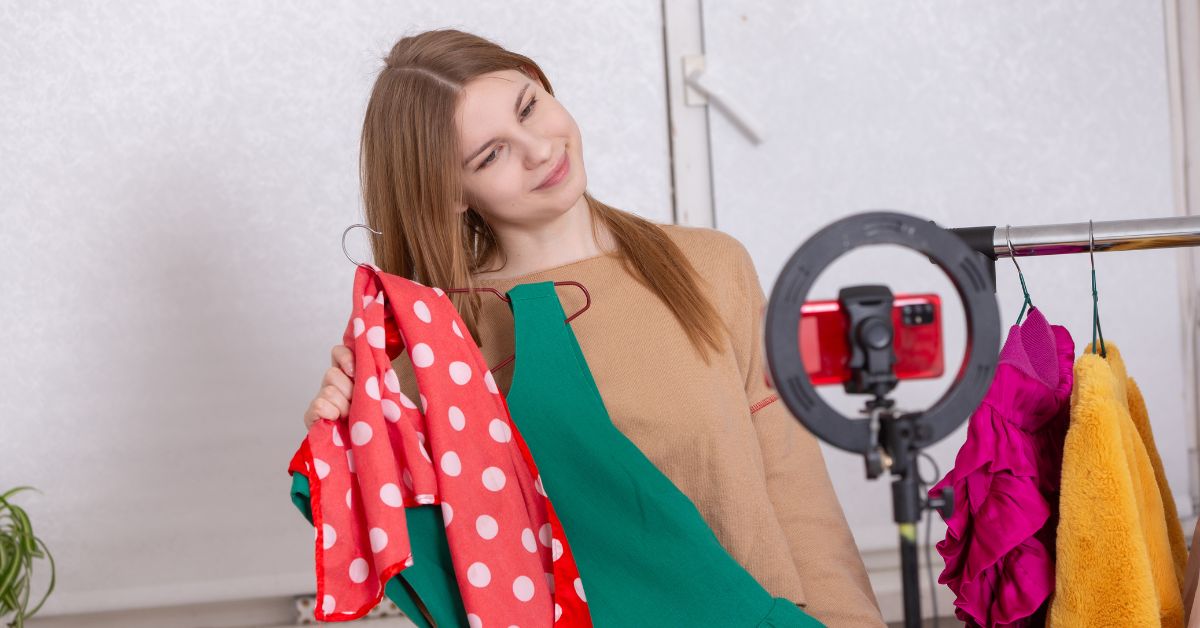
- Intermediate: Invest in a ring light ($50-150), phone tripod with remote ($30-80), and basic photo editing apps.
- Advanced: Consider a mirrorless camera ($800-2000), portable lighting kit ($200-500), and professional editing software.
Photography Tips for Fashion Content:
- Shoot in natural light whenever possible, ideally during “golden hour” (hour after sunrise or before sunset)
- Find clean, interesting backgrounds that complement but do not overpower your outfit
- Experiment with angles – full-body shots, detail shots, and lifestyle context shots
- Take multiple photos of each outfit from various angles to have options
- Maintain consistency in your photo editing style (similar brightness, contrast, color tones)
Content Planning and Consistency
Consistency is critical for algorithm performance and audience retention. Develop a content calendar that balances different content types:
Content Mix Formula:
- 40% Outfit posts and styling content
- 20% Behind-the-scenes and personal content
- 15% Fashion tips and educational content
- 15% Engagement-focused content (questions, polls, conversations)
- 10% Promotional content (brand partnerships, affiliate links)
Create content in batches to maintain consistency even during busy periods. Many successful influencers photograph multiple outfits in one session, then schedule posts throughout the week.
Writing Compelling Captions
Your captions should provide value beyond the visual content. Effective fashion influencer captions typically include:
- A hook that grabs attention in the first line
- Context or story about the outfit or why you are sharing it
- Styling tips or fashion advice readers can apply
- Call-to-action encouraging engagement (ask a question, request opinions)
- Relevant hashtags (Instagram allows 30; use them all strategically)
- Product tags and links where appropriate
Step 4: Grow Your Audience Authentically
Building a genuine, engaged following takes time and strategy. Avoid purchasing followers or using engagement pods, as these tactics create hollow metrics that do not translate to brand partnerships or sales.
Organic Growth Strategies
Hashtag Strategy: Research and use a mix of:
- High-volume hashtags (500k-2M posts) for broad reach
- Medium-volume hashtags (50k-500k posts) where you can compete
- Niche-specific hashtags (5k-50k posts) to reach targeted audiences
- Branded hashtags for campaigns and community building
Engagement Pods and Communities: Join authentic fashion influencer communities (not engagement pods promising fake interaction). Facebook groups, Discord servers, and Reddit communities for fashion creators provide support, collaboration opportunities, and genuine engagement.
Collaborations and Features: Partner with other fashion influencers at similar follower levels for:
- Joint Instagram Lives discussing fashion topics
- Styled challenges where you create looks around specific themes
- Guest appearances on each other’s content
- Collaborative blog posts or videos
Strategic Engagement: Spend 30-60 minutes daily engaging authentically with:
- Your target audience’s posts
- Content from accounts your ideal followers engage with
- Relevant hashtag feeds where potential followers are active
- Comments on your own posts to build community
Content That Drives Growth
Certain content types consistently drive higher reach and follower growth:
Transformation Content: Before-and-after styling, outfit upgrades, and dramatic transformations perform exceptionally well across platforms.
Educational Content: “How to style [specific item],” fashion tips for body types, and trend explanations position you as an authority while providing shareable value.
Relatable Content: Fashion fails, styling struggles, and honest reviews create connection and trust.
Trending Content: Participate in relevant fashion trends, challenges, and viral sounds (especially on TikTok) to tap into existing audience interest.
Step 5: Engage Authentically with Your Community
Your followers are not just numbers; they are your community. Authentic engagement builds loyalty, increases algorithm performance, and creates the genuine influence that attracts brand partnerships.
Building Meaningful Connections
Respond to Comments: Reply to comments on your posts within the first hour (when the algorithm rewards engagement) and continue responding as new comments arrive. Thoughtful responses encourage further conversation.
Direct Message Engagement: While you cannot reply to every DM as you grow, acknowledge messages when possible. Consider using Instagram’s “Quick Replies” feature for frequently asked questions.
Stories Interaction: Use Instagram Stories’ interactive features:
- Polls for outfit choices or content decisions
- Questions stickers for fashion advice or getting to know you
- Quizzes about fashion knowledge
- Countdown stickers for anticipated posts or events
User-Generated Content: Encourage followers to share how they styled your outfit ideas or implemented your tips. Reshare this content (with permission) to strengthen community bonds.
Transparency and Authenticity: Share not just the glamorous aspects of fashion and influencer life, but also the challenges, learning moments, and behind-the-scenes reality. Authenticity builds deeper connections than curated perfection alone.
Step 6: Understand Fashion Influencer Monetization in Canada
Understanding how fashion influencers make money is crucial for building a sustainable career. Canadian fashion influencers typically generate income through multiple revenue streams.
Primary Monetization Methods
Sponsored Content and Brand Partnerships: Brands pay influencers to create content featuring their products. Sponsored post rates vary widely based on follower count, engagement rate, and niche:
- Nano influencers (1k-10k followers): $50-300 per post
- Micro influencers (10k-50k followers): $200-1000 per post
- Mid-tier influencers (50k-250k followers): $1000-5000 per post
- Macro influencers (250k-1M followers): $5000-15000 per post
Affiliate Marketing: Earn commission (typically 5-20%) when followers purchase products through your unique affiliate links. Programs like LTK (formerly rewardStyle), Amazon Associates, and individual brand affiliate programs provide trackable links.
Platform Creator Programs: Once you meet eligibility requirements:
- Instagram and Facebook pay creators through Reels bonuses and Stars
- TikTok Creator Fund pays based on video views
- YouTube Partner Program pays ad revenue (requires 1000 subscribers and 4000 watch hours)
Product Sales and Collaborations: As you grow, opportunities emerge to:
- Design capsule collections with fashion brands
- Launch your own fashion or accessory line
- Sell digital products (styling guides, presets, courses)
Platform Partnerships: Join platforms like ByTheLook that enable fashion influencers to curate and sell complete outfits directly to followers, earning commission on sales. This model allows you to monetize your styling expertise beyond traditional sponsored posts.
Setting Your Rates and Value
Calculate your rates based on:
- Engagement Rate: (Average likes + comments) / followers x 100. Rates of 3-6% are good; above 6% is excellent.
- Content Deliverables: More content types (feed post, Stories, Reels) command higher rates.
- Usage Rights: If brands want to use your content in their own ads, charge 50-100% more.
- Exclusivity: If partnerships prevent you from working with competitors, charge significantly more.
Create a media kit showcasing your audience demographics, engagement statistics, best-performing content, and previous brand partnerships. Update this quarterly as your metrics grow.
Step 7: Partner with Brands and Platforms
Securing brand partnerships is often the primary goal for fashion influencers. As your following grows, opportunities will come to you, but proactive outreach accelerates partnership development.
Building Your Brand Partnership Strategy
Identify Ideal Brand Partners: Create a list of brands that align with your niche, values, and audience. Start with:
- Brands you genuinely use and love
- Canadian fashion brands seeking local influencer partnerships
- Brands actively working with influencers at your follower level
- Emerging brands with smaller budgets but growth potential
Craft Compelling Pitches: When reaching out to brands:
- Personalize each pitch, referencing specific products or campaigns
- Lead with the value you provide to them (audience access, content creation, brand awareness)
- Include relevant statistics (followers, engagement rate, audience demographics)
- Provide 2-3 concrete collaboration ideas
- Link to your media kit and best-performing content examples
- Keep initial outreach concise (3-4 paragraphs maximum)
Join Influencer Networks: Platforms that connect influencers with brands include:
- AspireIQ (now Aspire)
- GRIN
- CreatorIQ
- ByTheLook’s influencer platform specifically for fashion creators
Negotiate Professionally: When offered partnerships:
- Ask about budget, deliverables, timeline, and usage rights
- Request a formal contract outlining all terms
- Do not be afraid to negotiate rates or deliverables
- Ensure payment terms are clear (when and how you will be paid)
- Get everything in writing before creating content
Maintaining Brand Relationships
Successful influencers build long-term relationships with brands through:
- Delivering content on time and according to specifications
- Communicating proactively about any challenges or questions
- Exceeding expectations with content quality and engagement
- Sharing performance metrics after campaigns
- Being professional and pleasant to work with
- Pitching new collaboration ideas for future partnerships
Step 8: Legal and Business Considerations for Canadian Fashion Influencers
As your influencer career grows from hobby to business, proper legal and financial structures become essential.
Business Registration and Taxes
Register Your Business: Many Canadian influencers operate as sole proprietors initially, though incorporating as your income grows offers tax advantages. Consult with an accountant about the best structure for your situation.
Track Income and Expenses: Maintain detailed records of:
- All influencer income (sponsored posts, affiliate commissions, platform payments)
- Business expenses (equipment, props, editing software, website hosting, clothing purchases for content)
- Mileage if traveling for content creation
- Home office expenses if applicable
Understand Tax Obligations: Influencer income is taxable in Canada. Set aside approximately 25-30% of income for taxes and file quarterly HST/GST returns if your annual revenue exceeds $30,000.
Get Professional Help: Work with an accountant experienced with creator economy businesses to maximize deductions and ensure compliance.
Disclosure Requirements and Ethics
Sponsored Content Disclosure: Canadian advertising standards require clear disclosure of sponsored content and affiliate relationships. Follow these guidelines:
- Include #ad or #sponsored prominently in captions (first line, not buried in hashtags)
- Use Instagram’s “Paid partnership with [brand]” tag
- Disclose affiliate links clearly
- Verbal disclosure in videos (“This video is sponsored by…”)
Authentic Recommendations: Only promote products and brands you genuinely support. Your credibility is your most valuable asset, and inauthentic promotions erode audience trust.
Copyright and Content Ownership: Understand your rights regarding the content you create. Unless you have signed those rights away, you own your original photos and videos. Brand contracts should specify usage terms and limits.
Step 9: Scale Your Fashion Influencer Business
Once you have established your foundation and built initial traction, focus on strategic scaling to increase your income and impact.
Diversifying Revenue Streams
Avoid over-dependence on any single income source. Build multiple revenue streams including:
- Multiple brand partnership tiers (different budgets and scales)
- Consistent affiliate income from evergreen content
- Platform creator programs
- Outfit curation platforms like ByTheLook for ongoing commission
- Digital products (styling guides, presets, online courses)
- Virtual or in-person styling services
Building a Team
As your business grows, consider outsourcing:
- Photo editing (Fiverr, Upwork, or specialized photo editing services)
- Content scheduling (virtual assistants familiar with social media)
- Email management and brand outreach
- Bookkeeping and tax preparation
- Website management and blog writing
Expanding Your Content Ecosystem
Build assets beyond social media that you control:
- Email List: Social media algorithms change, but email connects you directly to your audience
- Blog or Website: Publish fashion content on your own platform for SEO, credibility, and additional revenue (ads, affiliates)
- YouTube Channel: Long-form content creates additional revenue and deeper audience connection
- Podcast: Fashion and style podcasts are growing in popularity and offer new monetization opportunities
Strategic Growth Tactics
Collaborations with Bigger Influencers: Partnering with established fashion influencers exposes you to their audience. Offer value (skills, content ideas, audience access) to make collaborations mutually beneficial.
Media Features: Pitch yourself to fashion publications, podcasts, and local news outlets. Media features position you as an expert and drive credibility.
Events and Activations: Attend fashion weeks, brand events, and industry gatherings. In-person networking opens doors that online presence alone cannot.
Thought Leadership: Share your expertise beyond outfit posts through:
- Fashion trend analysis and predictions
- Industry commentary and insights
- Analysis of Canadian fashion trends
- Educational content for aspiring influencers
Common Mistakes to Avoid as an Aspiring Fashion Influencer
Learning from others’ mistakes accelerates your success. Avoid these common pitfalls:
Buying Followers or Engagement: This creates hollow metrics that harm your credibility and prevent real brand partnerships. Brands analyze engagement rates and can identify purchased followers.
Inconsistent Posting: Algorithms reward consistency. Sporadic posting limits reach and prevents audience growth. Develop sustainable content schedules you can maintain long-term.
Ignoring Analytics: Your platform insights reveal what content resonates. Regularly review which posts drive the most engagement, follower growth, and profile visits, then create more content in those themes.
Over-Promoting: Excessive promotional content drives followers away. Maintain the 90/10 rule: 90% valuable, entertaining, or educational content, 10% promotional content.
Copying Others’ Content: Inspiration is valuable, but direct copying damages your credibility and may violate copyright. Develop your unique perspective and voice.
Neglecting Engagement: Posting without engaging with your community limits growth. Social media is social; build genuine relationships with your audience.
Partnering with Misaligned Brands: Promoting products or brands that do not fit your values or audience needs erodes trust. Be selective with partnerships, prioritizing alignment over short-term income.
Inadequate Contracts: Verbal agreements or vague contracts lead to disputes. Always use written contracts specifying deliverables, payment terms, usage rights, and timeline.
Ignoring Personal Life Balance: Influencer burnout is real. Set boundaries around content creation, establish offline time, and remember that sustainable businesses require rest.
Your Path Forward as a Canadian Fashion Influencer
Becoming a successful fashion influencer in Canada requires strategy, consistency, authenticity, and business acumen. The opportunity is substantial, with the Canadian influencer marketing industry continuing to grow and fashion brands increasingly recognizing the value of influencer partnerships.
Start by defining your unique niche and developing authentic content that provides value to your specific audience. Focus on one or two platforms initially, building deep engagement before expanding. Create high-quality content consistently, engage genuinely with your community, and understand the business side of influencer marketing.
Remember that overnight success is rare. Most successful fashion influencers invested months or years building their presence before achieving significant income. Focus on sustainable growth, continuous improvement, and providing genuine value to your audience.
The Canadian fashion influencer landscape is evolving, with new platforms, monetization methods, and opportunities emerging regularly. Stay informed about industry changes, adapt your strategy as platforms evolve, and always prioritize authentic connection with your audience.
Whether you dream of attending international fashion weeks, partnering with your favorite brands, or building a fashion empire, the path begins with your first post. Define your vision, develop your strategy, and start creating. Your unique fashion perspective deserves to be shared, and your ideal audience is waiting to discover you.
Ready to monetize your fashion influence? Join ByTheLook to start curating and selling complete outfits to your followers while earning commission on every sale. The Canadian fashion influencer community is welcoming, supportive, and ready for your voice.